

Important Considerations for Automatic Transmission Vehicle Users
First of all, the operating principle of automatic transmission vehicles is more complex than manual vehicles.
Automatic transmission vehicles have more gears, synchronizers, and sensors than manual vehicles.
This makes the system more complex and demanding.
That is why when automatic transmission vehicles develop faults, they face both a complex repair process and higher costs.
So what should you pay attention to during use and maintenance of automatic transmission vehicles? Let's look at how to extend transmission life.
Change Transmission Fluid Before the Scheduled Interval
The most important factor in extending transmission life is definitely transmission fluid.
It is healthier to change the transmission fluid before the mileage stated in the vehicle maintenance schedule, or even before the interval in the catalog.
If you use your vehicle under normal weather conditions and at normal RPM, you can change the transmission fluid at normal intervals. However, if your driving environment is hot, dusty, and you are a hard driver, having maintenance done before the scheduled interval will benefit you.
You can easily tell whether it is time to change your vehicle's transmission fluid.
To do this, pull the transmission fluid dipstick, similar to the engine oil dipstick, and check the quality of the fluid on it.
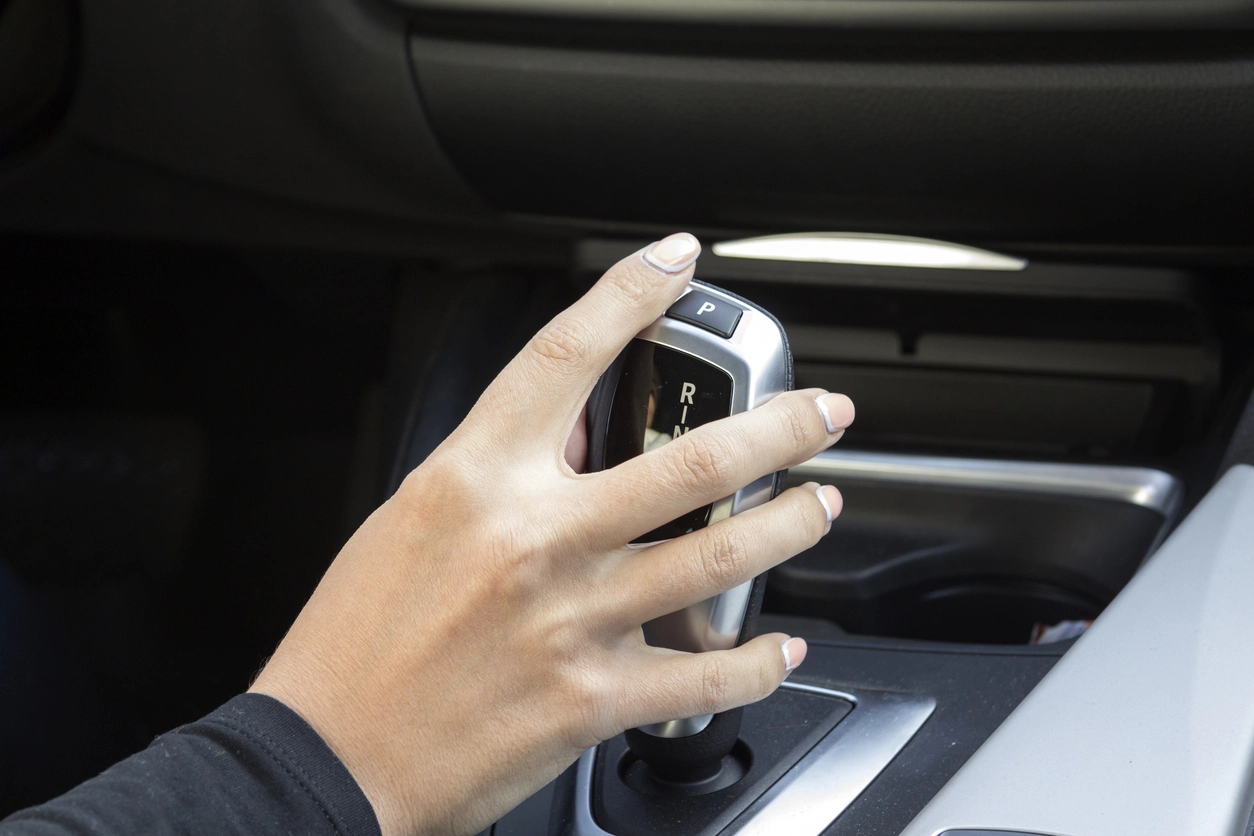
After pulling the transmission fluid dipstick, it is ideal if the fluid color is yellow, orange, or red.
If the fluid has turned black, it is time to change it.
You can also place a drop of fluid between two fingers and check its stretch. If the fluid stretches, it still has life; if it does not stretch and has darkened, that fluid must be changed urgently.
Another important point during fluid changes for extending transmission life is unfortunately a method that many service technicians in our country do not know: the FLUSH method.
With this method, after the initial fluid change, you drive approximately 1000 km, and after 1000 km you perform a second fluid change with new fluid, completely cleaning sediment and deposits remaining inside the transmission.
This will certainly extend transmission life.
Never Change Gears While the Vehicle Is Moving (Especially on Older Torque Converter Transmissions)
Changing gears while the wheels are moving, even slightly, will damage the transmission gears.
If your automatic vehicle is not fully stopped, you must never change gears.
If you change gears before the vehicle has fully stopped, the gears will tighten excessively, causing wear, chipping, and slipping if the vehicle is on an incline or in reverse.
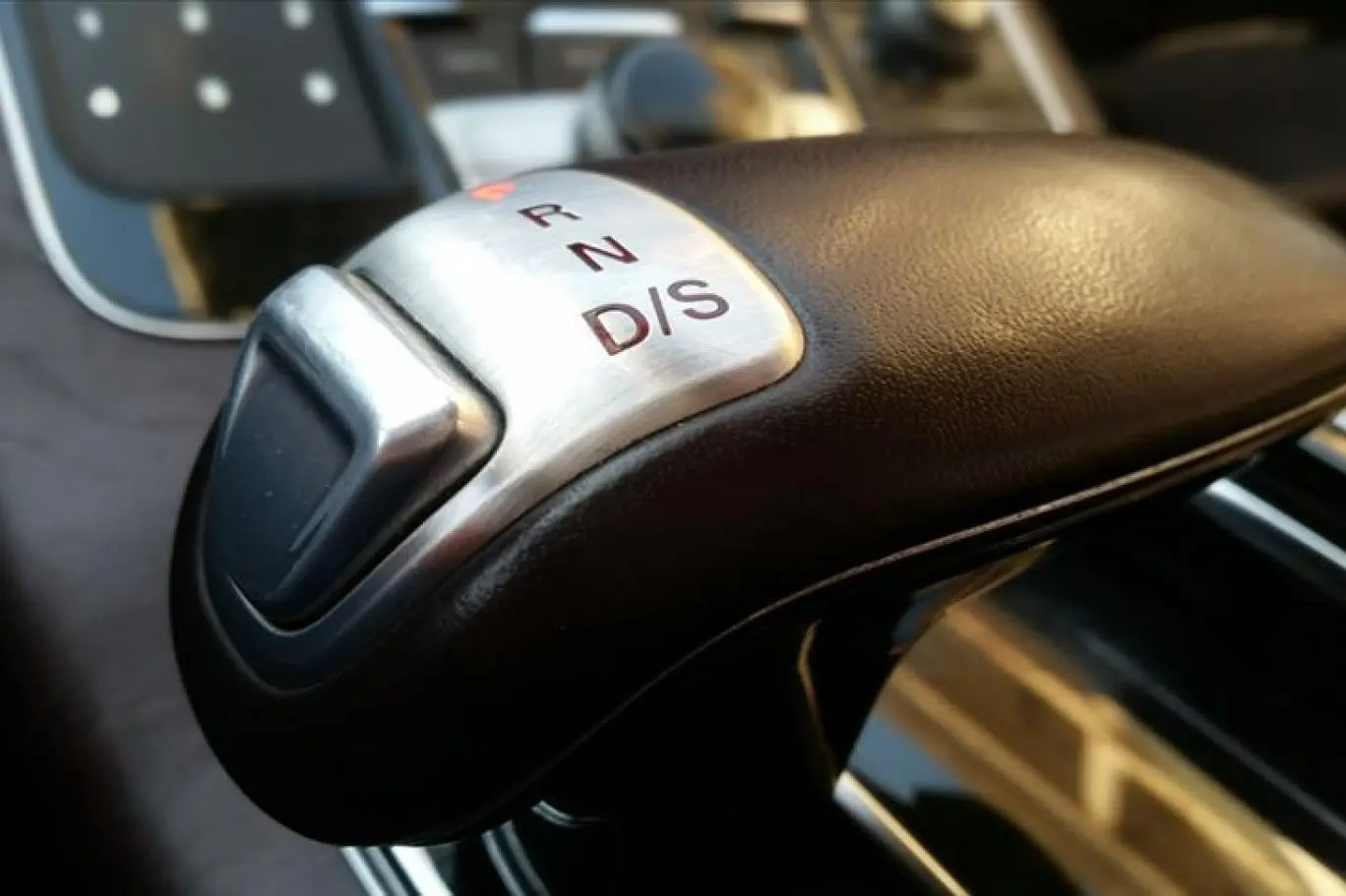
Shift to Neutral During Long Stops and at Traffic Lights
If the vehicle will remain stationary for more than 15–20 seconds during driving, shifting to N (neutral) will stop transmission lubrication and let your vehicle breathe.
Also, when shifting to D and P positions (engaging drive), wait about one second after shifting before moving. This allows healthy driving without cutting lubrication.
Make Every Gear Change Smoothly — Do Not Abuse the Vehicle
If you do not force the vehicle during gear changes, you extend transmission life and avoid judder and damage.
Never Shift to N When Driving Downhill (Do Not Coast in Neutral)
Automatic transmission vehicles have a speed-sensitive mechanism. Each gear has a maximum speed limit. If you shift to neutral while descending a ramp at 80 km/h and then engage D, or shift to 2nd at 90 km/h while engine braking downhill, the transmission will be overloaded.
For detailed information, please call us;
0850 755 02 30
You May Also Like

VAG SFD SGW Is Now Available on TOPDON Diagnostic Tools!

What Is a Transmission?
