

After Euro1, Euro2 and Euro3 engines starting in 1993, Euro4 diesel vehicles entered the market in 2006.
Due to environmental concerns, technological progress and industrial requirements, Diesel Particulate Filters began to be used in vehicles.
Thanks to companies and organizations that care about protecting nature, emission standards were introduced and the Diesel Particulate Filter became mandatory on Euro 5 and Euro 6 vehicles.
Diesel Particulate Filter traps harmful solid waste in the exhaust inside the filter and prevents it from being released into the environment.
However, over time these deposits increase and cause clogging.
Pressure sensors monitor diesel particulate fill levels and warn the driver.
When filter fill reaches clogging level, regeneration starts and the filter is cleaned automatically. In some cases regeneration does not occur and the filter is not cleaned.
When this happens, vehicle performance drops and the engine cannot run efficiently.
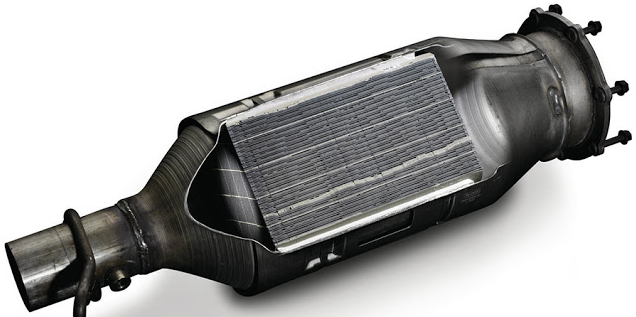
In this situation the DPF warning light comes on.
The required action is to run the vehicle at steady speed and high RPM so the engine sends more fuel and the exhaust system overheats.
When this temperature reaches about 600°C, regeneration restarts and soot in the filter is burned off.
If the Diesel Particulate Filter is still not cleaned, the DPF must either be replaced or removed and cleaned in special machines with dedicated fluids.
DPF replacement is much more expensive, so cleaning saves both cost and time.
Why Does the Diesel Particulate Filter Clog?
Low-quality fuel, heavy city driving, long idling and incorrect oil use are common causes. Non-standard oil use in particular causes serious clogging.
What Happens If the Diesel Particulate Filter Is Not Cleaned?
- It can lead to replacement of the costly diesel particulate filter.
- It can increase fuel consumption by up to about 5%.
- It reduces engine power and torque.
- It shortens catalytic converter life.
- Turbo, EGR valve, injectors and the engine can be damaged.
How Is the Diesel Particulate Filter Cleaned?
Diesel Particulate Filter cleaning uses specially manufactured machines and dedicated cleaning fluids. Machine and fluid selection requires careful research by workshops and end users.
Nitro Mekatronik has made a strong impact on the sector with its own Diesel Particulate Filter washing machine. It cleans passenger, light commercial and heavy-duty vehicles quickly and efficiently, and stands out with competitive pricing.
How Is the Diesel Particulate Filter Cleaning Machine Used?
- The DPF is removed from passenger, light commercial or heavy-duty vehicles and brought to the service centre.
- The filter is mounted securely on the machine.
- Manual or automatic mode is selected according to clogging level.
- Washing fluid level is checked.
- After all checks, cleaning is started.
- Cleaning stages are followed via the voice guidance system (not available on all DPF cleaning machines; Nitro Mekatronik distinguishes itself with this proprietary system).
- After cleaning, a fill-level report can be printed from the DPF machine for the customer.
Features of the Diesel Particulate Filter Cleaning Machine
Passenger, light commercial and heavy-duty vehicles can all be cleaned with this Diesel Particulate Filter machine.
The DPF machine is made entirely of stainless steel and is highly resistant to water and impact.
Turkish is available along with English and German for international use; more languages will be added over time.
Diesel particulate fill level allows manual or automatic mode selection.
Depending on fill level, wash count, cleaning fluid amount, air and water volume can be adjusted.
After cleaning, a PDF document showing filter condition can be exported from the device.
Average wash time is about 19 minutes; duration can be adjusted manually according to DPF fill level.
20 litres of washing fluid is enough to clean about 20 passenger cars or 10 heavy-duty DPF units.
Diesel particulate filter cleaning details are covered in other articles — click here.
For detailed information, please call us:
0850 755 02 30
Related Products

Diesel Particulate Filter (DPF) Cleaning Machine

Diesel Particulate Filter (DPF) Cleaning Fluid 25 LT

Nitro DCM-01 Mobile Diesel Particulate Filter Cleaning Machine
You May Also Like

Diesel Particulate Filter Fault Solution

How Is the Mobile Particulate Cleaning Machine Used?
